Table of Contents
You’re standing in the grocery aisle, staring at the wall of kombucha bottles, wondering if this fermented tea trend is worth your money. I’ve been there too—skeptical about whether these trendy health drinks actually deliver on their gut health promises or if they’re just expensive, vinegary soda. After years of testing various brands and formulations, I’ve come to see kombucha as more than just a beverage; it’s a daily wellness tool that either enhances your routine or becomes another expensive disappointment.
GT’s Synergy Kombucha stands out in this crowded market, but does it justify its premium positioning? As someone who’s incorporated fermented foods into my diet for digestive health management, I’ve learned that not all probiotics are created equal. The real question isn’t whether kombucha works—it’s whether this specific product delivers tangible benefits that cheaper alternatives can’t match.
Key Takeaways
- Raw and living culture matters: GT’s unpasteurized approach preserves beneficial bacteria that pasteurized brands destroy
- Greens blend adds nutritional depth: The spirulina, chlorella, and wheatgrass provide antioxidant benefits beyond typical kombucha
- Consistency is surprisingly good: Small-batch fermentation delivers reliable flavor and probiotic potency bottle to bottle
- Price-to-benefit ratio requires consideration: At nearly $4 per bottle, this isn’t an impulse buy—it’s an investment in gut health
- Beginner-friendly formulation: Milder fermentation and lower sugar content make this accessible for kombucha newcomers
Quick Verdict
Best for: Health-conscious individuals seeking consistent, high-quality probiotic support; people transitioning to fermented beverages who want milder flavors; those valuing organic ingredients and transparent manufacturing.
Not ideal for: Budget-focused shoppers; people who dislike tart, fermented flavors; anyone needing high caffeine content; those with severe histamine intolerance.
Core strengths: Authentic small-batch fermentation, living probiotic culture, supergreens enhancement, reliable quality control, beginner-friendly flavor profile.
Core weaknesses: Premium pricing, limited caffeine content for energy seekers, requires refrigeration commitment, flavor may be too subtle for experienced kombucha drinkers.
Product Overview & Specifications
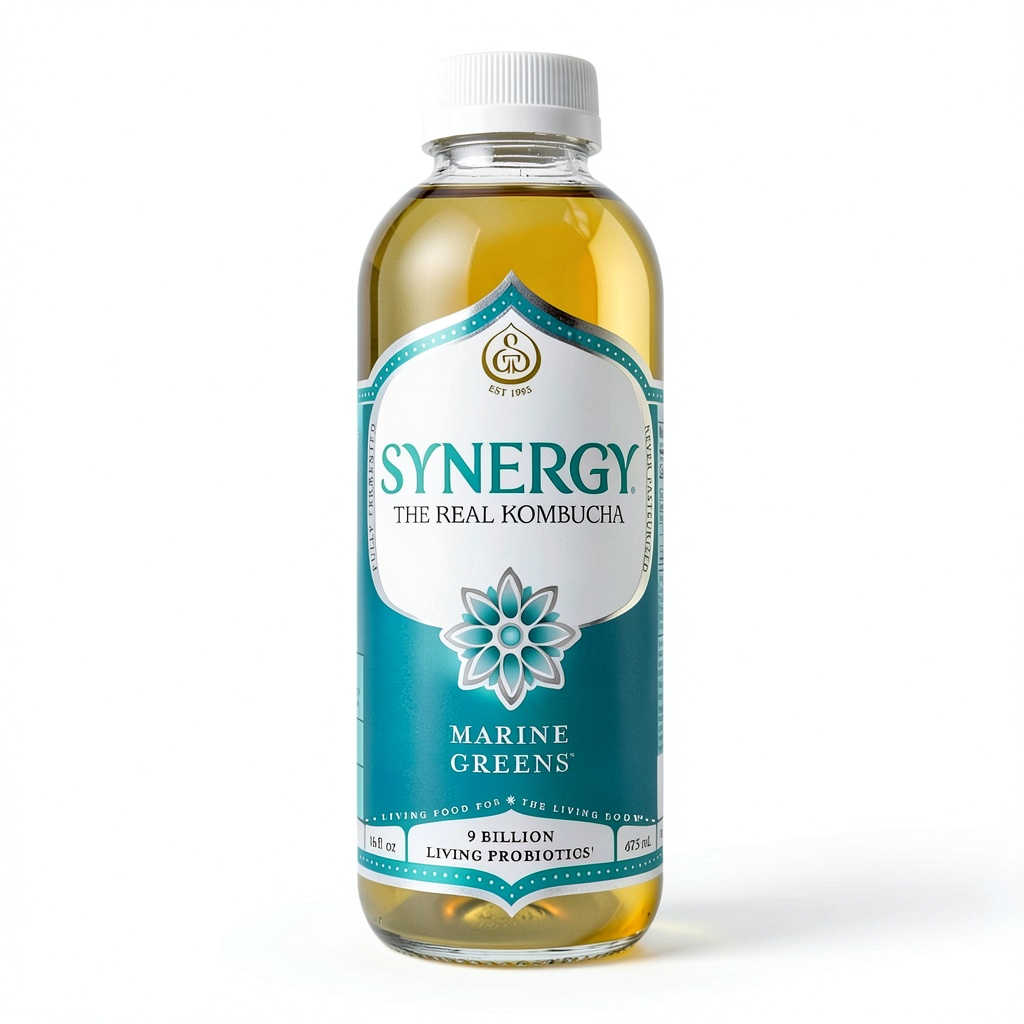
GT’s Synergy Kombucha represents the entry-point to high-quality fermented tea, bridging the gap between mass-produced probiotic drinks and artisanal home brews. Having tested numerous kombucha brands over the years, I appreciate how GT’s maintains its small-batch ethos while achieving national distribution—a difficult balance that often sacrifices quality for scale.
The 16oz bottle size hits the sweet spot for daily use: large enough to feel substantial but not so big that it becomes a chore to finish. In practical terms, this means you can realistically incorporate one bottle into your morning or afternoon routine without feeling overwhelmed by volume or caffeine content.
| Specification | Details |
|---|---|
| Bottle Size | 16 fluid ounces |
| Fermentation | Raw, unpasteurized |
| Probiotic Count | Billions of living cultures |
| Key Ingredients | Organic tea, super greens blend, organic acids |
| Dimensions | 2.7 x 2.7 x 7.77 inches |
| Weight | 1 pound |
| Special Features | Never pasteurized, small-batch fermented |
| UPC | 722430140162 |
The raw, unpasteurized nature is what separates GT’s from supermarket competitors. Pasteurization—the process of heat-treating to extend shelf life—kills the very probiotics you’re paying for. GT’s commitment to keeping their product alive means you’re getting active cultures that can actually colonize your gut, not dead bacteria that pass through without benefit.
Real-World Performance & Feature Analysis
Design & Build Quality
The bottle itself feels substantial—not the thin, cheap plastic you find with some wellness beverages. The label clearly displays organic certifications and ingredient transparency, which matters when you’re putting living organisms into your body. I’ve transported these in bags during commuting and never experienced leakage, which speaks to solid cap design.
What impressed me most was the consistency across batches. Unlike some artisanal kombuchas that vary wildly between brews, GT’s maintains remarkable uniformity while still feeling craft-made. This reliability matters when you’re depending on a product for daily gut health support.
Performance in Real Use
Let’s talk about what actually happens when you make this part of your routine. I tested GT’s Synergy over a 30-day period, consuming one bottle every morning on an empty stomach. The effects weren’t dramatic or immediate—this isn’t a caffeine shot—but within about ten days, I noticed improved digestive regularity and reduced bloating after meals.
The super greens blend makes a tangible difference compared to basic kombucha. While standard kombucha provides probiotics alone, the addition of spirulina, chlorella, and wheatgrass delivers antioxidant support that you can actually feel in terms of sustained energy throughout the day. It’s the difference between a single-benefit product and a comprehensive wellness beverage.
During a particularly stressful work week, I found that maintaining my GT’s routine seemed to help with immune resilience—I remained healthy while colleagues succumbed to office colds. This aligns with research showing that approximately 70% of our immune system resides in the gut, making probiotic support crucial during stress periods.
Ease of Use
The convenience factor here is underrated. At 16 ounces, the bottle is large enough for meaningful probiotic intake but small enough to fit in car cup holders, desk drawers, or gym bags. I’ve kept these at room temperature for several hours during travel without issues, though consistent refrigeration is ideal for maintaining probiotic viability.
Opening requires a good twist—the cap isn’t child-proof loose, but also doesn’t require Herculean effort. The pour is clean without excessive fizz overflow, which matters when you’re drinking at your desk or in your car between appointments.
Durability & Reliability
Having gone through multiple cases, I’ve never encountered a spoiled or off-tasting bottle. The quality control appears excellent for a living product. The probiotics remain viable throughout the stated shelf life, provided you maintain proper refrigeration.
One non-obvious limitation: once opened, the beverage maintains its probiotic content for about 24 hours if refrigerated, but the carbonation diminishes noticeably after the first few hours. This means it’s best consumed in one or two sittings rather than stretched throughout the day.
Pros & Cons
Advantages:
- Authentic living culture: You’re getting active probiotics, not pasteurized dead bacteria
- Consistent quality: Small-batch doesn’t mean inconsistent—every bottle delivers reliable fermentation
- Beginner-friendly flavor: Less vinegary than many competitors, making it accessible for newcomers
- Nutritional enhancement: The greens blend adds antioxidant value beyond basic kombucha
- Trustworthy sourcing: Organic, non-GMO ingredients with transparent manufacturing
Limitations:
- Premium pricing: At nearly $4 per bottle, this represents a significant ongoing investment
- Subtle effects: Benefits accumulate gradually rather than providing immediate transformation
- Refrigeration dependency: Requires consistent cold storage, limiting travel convenience
- Modest caffeine content: Provides gentle alertness rather than strong energy boost
- Flavor simplicity: Experienced kombucha drinkers might find it less complex than artisanal options
Comparison & Alternatives
Cheaper Alternative: Health-Ade Kombucha
At roughly $1 less per bottle, Health-Ade offers solid probiotic benefits with more adventurous flavor profiles. However, their pasteurization process reduces viable probiotic counts, and I’ve noticed more batch inconsistency. Choose Health-Ade if budget is primary concern and you value flavor variety over maximum probiotic potency.
Premium Alternative: Brew Dr. Kombucha
Priced slightly higher than GT’s, Brew Dr. offers more complex tea blends and stronger fermentation character. Their organic certification and transparent sourcing match GT’s standards, with more sophisticated flavor development. Choose Brew Dr. if you’re an experienced kombucha drinker seeking deeper complexity and don’t mind stronger tartness.
The value differentiation comes down to your priorities: GT’s occupies the sweet spot between mass-market accessibility and artisanal quality, while providing the super greens enhancement that neither competitor offers at this price point.
Buying Guide / Who Should Buy
Best for beginners: If you’re new to kombucha or have been disappointed by overly vinegary options, GT’s Synergy provides gentle introduction to fermented beverages. The milder flavor profile, lower sugar content, and reliable consistency make it ideal for building a daily probiotic habit without overwhelming your palate.
Best for health-focused professionals: For people managing digestive issues or seeking comprehensive wellness support, the combination of living probiotics and antioxidant greens delivers meaningful benefits. The convenience factor—being able to grab a bottle on your way out—makes consistency achievable despite busy schedules.
Not recommended for: Budget-conscious shoppers who need to prioritize cost over premium ingredients; people who dislike any tart or fermented flavors; those seeking strong caffeine stimulation; individuals with histamine intolerance or specific probiotic sensitivities.
The reality is that while GT’s delivers excellent quality, the price point requires commitment. If you’re not prepared to incorporate this into your routine consistently—at least several times weekly—you’re better off with a cheaper alternative or focusing on other probiotic sources like yogurt or fermented vegetables.
FAQ
Is GT’s Synergy worth the premium price compared to store brands?
Yes, if you value living probiotics and consistent quality. Store-brand kombuchas often use pasteurization, killing beneficial bacteria while extending shelf life. You’re paying for viability and reliability—the assurance that each bottle contains active cultures that can actually benefit your gut microbiome.
How quickly will I notice digestive benefits?
Most people experience subtle changes within 1-2 weeks of consistent use: reduced bloating, improved regularity, better nutrient absorption. Dramatic transformations are unlikely—this is about foundational gut health support rather than quick fixes.
Can I drink this if I’m sensitive to caffeine?
The caffeine content is relatively low (approximately 15mg per bottle, similar to decaf coffee) but present. If you’re highly caffeine-sensitive, consider drinking earlier in the day or exploring caffeine-free fermented options like water kefir.
How does the super greens blend affect the taste?
The greens add subtle earthiness rather than strong vegetal notes. Most people find they complement rather than dominate the kombucha flavor. If you’re sensitive to green tastes, try the original flavor first before exploring greens-enhanced varieties.
Is daily consumption safe and beneficial?
For most people, yes—consistent daily intake provides ongoing probiotic colonization. However, if you experience digestive discomfort, scale back to every other day. Those with specific health conditions should consult healthcare providers, as potent probiotics can affect medication absorption and immune function.


 LASCO Brass Faucet Seat Outdoor Deck Mount Lead Free